
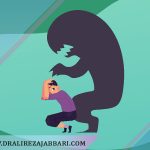
Have you ever experienced intense fear and anxiety? Have you ever felt anxious for no apparent reason? You may have heard the term panic attack and know a little about it. In this article, we will take a closer look at panic attacks, also known as episodes of intense fear, discuss treatment options, introduce the best psychotherapist in Tehran for panic disorder treatment, and answer the question: Is it possible to achieve a complete recovery from panic disorder? Read on to learn more.
What Is a Panic Attack?
A panic attack is an episode of intense fear or discomfort that develops suddenly and may be accompanied by overwhelming anxiety and a feeling of impending danger or death. During a panic attack, a person may feel as though they are losing control or that something terrible is about to happen. In some cases, this intense fear may lead to unsafe behavior, such as attempting to jump from a window or acting recklessly while driving.
Panic attacks often begin suddenly and can escalate rapidly. They may occur even when a person is relaxed or asleep. A panic attack typically reaches its peak within minutes, although some symptoms may persist for longer. Afterward, the person may feel calmer but experience significant fatigue or exhaustion.
Symptoms of a Panic Attack
Although panic attack symptoms vary from person to person, they can generally be classified as emotional, physical, and psychological symptoms. The most common symptoms of panic attacks include:
- Sudden feelings of intense fear or terror
- Severe anxiety about experiencing another panic attack
- Overwhelming and difficult-to-control fear
- Hot flashes or a sudden feeling of warmth
- Excessive sweating
- Increased heart rate or palpitations
- Trembling or shaking
- Shortness of breath or a feeling of choking
- Dizziness and nausea
- Feelings of distress and restlessness
- Chest pain or discomfort
- Abdominal pain
- Diarrhea
As mentioned earlier, panic attack symptoms may last from several minutes to longer periods, although the most intense phase typically subsides within minutes. People who experience recurrent panic attacks may develop persistent anxiety that disrupts their peace of mind and affects many aspects of their daily lives.
Sometimes, people mistake panic attack symptoms for those of a heart attack. Because chest pain and breathing difficulties can have serious medical causes, anyone experiencing new, severe, or unexplained symptoms should seek urgent medical evaluation rather than assuming they are caused by panic.
What Should You Do During a Panic Attack?
If you experience a panic attack, the following techniques may help you manage your symptoms:
- Close your eyes if doing so feels comfortable, and try to breathe slowly and gently.
- Sit on a chair or sofa in a safe place and focus on steady, relaxed breathing.
- Place one hand on your abdomen and breathe gently through your nose, allowing your abdomen to rise naturally.
Try breathing in gently and then breathing out slowly without forcing your breath or holding it if that feels uncomfortable. This may help you regain a sense of calm.
Remember that if you experience recurrent panic attacks, consulting a qualified mental health professional can help you understand the underlying factors and develop effective strategies for managing them.
What Causes Panic Attacks?
Panic attacks may be associated with psychological, physiological, and environmental factors. Some factors that may contribute to panic attacks or panic-like symptoms include:
- Severe stress
- Overactive or underactive thyroid conditions
- Intense or strenuous physical activity
- Low blood sugar
- Excessive consumption of caffeine-containing beverages, such as coffee, tea, and some soft drinks
- Cushing’s syndrome
- Irregular eating habits
- Alcohol consumption
- Certain medications
- Use of recreational drugs and stimulants
Panic attacks can affect people of any gender or age. Although some studies have found that panic disorder is more common in women than in men, it is not accurate to attribute this difference simply to physical strength.
How Should You Support Someone Experiencing a Panic Attack?
If someone around you experiences a panic attack, the first step is to remain calm so that you can provide reassurance and support.
Encourage the person to sit somewhere safe and breathe slowly and gently. Speak in a calm, reassuring voice and remind them that you are there to help. If they are comfortable talking, you can gently shift the conversation toward a familiar or comforting topic.
Avoid dismissing their feelings, making fun of them, or telling them that their symptoms are imaginary. Panic attacks can feel frightening, even when the person is not in immediate danger.
If the person experiences recurrent attacks, encourage them to consult a qualified psychiatrist or psychotherapist. If the symptoms are new, severe, or potentially related to a medical emergency, seek immediate medical assistance.
What Is the Definitive Treatment for Panic Disorder?
Panic disorder can be treated effectively with appropriate professional care. A qualified psychotherapist can help identify the factors contributing to panic attacks and teach the person how to manage anxiety more effectively.
Treatment may include psychological counseling, psychotherapy, and techniques that help patients recognize and respond differently to the thoughts, emotions, and physical sensations associated with panic attacks.
A mental health professional may also recommend medication when appropriate. Antidepressants and certain anti-anxiety medications may help reduce the frequency and severity of panic attacks when prescribed and monitored by a qualified physician.
In addition, patients may benefit from lifestyle changes, including:
- Avoiding or reducing alcohol and nicotine use
- Limiting excessive caffeine consumption
- Practicing relaxation techniques
- Maintaining regular contact with supportive friends and family members
- Learning effective breathing techniques
- Identifying and managing unhelpful thought patterns
- Following a balanced diet
- Getting adequate sleep and rest
Treatment should be tailored to each person’s needs. Cognitive behavioral therapy (CBT), in particular, is an established treatment for panic disorder and can help people reduce their fear of panic-related sensations and regain confidence in their daily activities.
How Long Does Panic Disorder Treatment Take?
The duration of panic disorder treatment varies depending on several factors, including the severity of symptoms, the frequency of panic attacks, the type of treatment used, and the individual’s response to therapy.
Treatment often involves psychotherapy and, when necessary, medication. Some people experience meaningful improvements within a few weeks or months, while others may need a longer period of treatment to achieve sustained improvement.
Some individuals may also benefit from ongoing follow-up appointments or continued support to maintain their progress and prevent symptoms from returning.
Consulting a qualified mental health professional can help you develop a treatment plan that meets your needs and provides a clearer understanding of the expected recovery process.
Best Doctor for Panic Disorder Treatment in Tehran
Treating mental health conditions such as panic disorder requires appropriate assessment and professional care. A qualified specialist can evaluate the patient’s symptoms, identify potential contributing factors, and recommend a suitable treatment plan.
If you are looking for a good psychotherapist for panic disorder treatment in Tehran, consider the following qualities when choosing a mental health professional:
- Relevant education and expertise: The professional should have appropriate qualifications and experience in mental health care.
- Individualized treatment: A good psychotherapist evaluates the patient’s specific symptoms and develops a treatment plan based on their needs.
- Active listening and careful assessment: The therapist should listen attentively and assess symptoms without making premature assumptions.
- Effective therapeutic techniques: The professional should use evidence-based approaches and guide the patient through treatment patiently.
- Professional ethics: Confidentiality, respect, and clear communication are essential.
- A comfortable therapeutic environment: Patients should feel safe and supported when discussing their concerns.
Choosing the right professional can help you better understand your symptoms, develop effective coping strategies, and work toward long-term improvement.
Final Thoughts
In this article, we explored panic attacks, their symptoms, possible causes, and available treatment options. We also discussed the importance of seeking help from a qualified mental health professional.
Although panic attacks can be frightening and disruptive, effective treatments are available. With an appropriate treatment plan, many people experience significant improvement and learn to manage their symptoms more confidently.
Choosing a qualified psychiatrist or psychotherapist in Tehran can be an important step toward recovery. Whether you seek in-person care or online counseling, professional guidance can help you find an appropriate approach to managing panic attacks and improving your quality of life.
Frequently Asked Questions About Panic Disorder Treatment
What Is the Most Common Cause of Panic Attacks?
Panic attacks do not have a single universal cause. They may be associated with stress, the death or serious illness of a loved one, traumatic experiences such as sexual assault or a serious accident, major life changes such as divorce or the birth of a child, smoking, or excessive caffeine consumption. In some cases, panic attacks occur without an obvious trigger.
What Symptoms Are Most Common During a Panic Attack?
Panic attacks often involve physical symptoms that can resemble those of a heart attack. These may include trembling, tingling sensations, a rapid heartbeat, shortness of breath, dizziness, and chest discomfort. Panic attacks can occur at any time, even when a person does not feel particularly anxious beforehand.
What Should You Avoid Doing During a Panic Attack?
Avoid mocking, criticizing, or questioning the person’s experience in a dismissive way, as this may increase their distress. Do not force them to follow your advice or overwhelm them with suggestions. Instead, remain calm, offer reassurance, and ask what kind of support they need. If symptoms suggest a medical emergency, seek immediate medical attention.
How Can You Stop a Panic Attack?
Slow, gentle breathing and mindfulness techniques may help reduce the intensity of panic symptoms. Relaxation exercises, including progressive muscle relaxation, may also be beneficial. However, recurrent panic attacks should be evaluated by a qualified mental health professional to determine the most appropriate treatment.
What Is the Difference Between a Panic Attack and Anxiety?
Both panic attacks and anxiety can cause a rapid heartbeat, shortness of breath, and feelings of distress. However, they differ in their typical patterns and intensity.
A panic attack involves a sudden surge of intense fear or discomfort that often reaches its peak within minutes and may occur without an obvious trigger. Anxiety usually develops in response to perceived threats, uncertainty, or ongoing stress and may persist for longer periods.
What Is a Silent Panic Attack?
The term silent panic attack is sometimes used informally to describe a panic episode in which the person experiences intense internal distress without obvious outward signs.
Symptoms may include a racing heart, palpitations, dizziness, or overwhelming fear, even when the person appears calm to others. However, these symptoms are not specific to panic attacks and may have other causes.
Are Panic Attacks Physical or Psychological?
Panic attacks involve both psychological and physical symptoms. A person may experience intense fear, dread, or anxiety alongside physical symptoms such as nausea, trembling, sweating, dizziness, a rapid heartbeat, and shortness of breath.
These symptoms are real, even when they are triggered by the body’s response to fear or stress.
Can Panic Attacks Occur Without a Cause?
Yes. Panic attacks can occur without an obvious trigger. Although stressful life events may contribute to some episodes, others seem to arise unexpectedly.
It is also important to distinguish between an isolated panic attack and panic disorder. Experiencing a panic attack does not automatically mean that a person has panic disorder.
Can Panic Disorder Be Completely Cured?
Panic disorder is highly treatable, and many people experience substantial or lasting improvement with appropriate care. Treatment commonly includes psychotherapy, particularly cognitive behavioral therapy (CBT), and medication when necessary.
The course of recovery varies from person to person. Some people achieve long-term remission, while others may need continued support to manage recurring symptoms.